How we pack and protect shipments
This is what proper preparation for international transport looks like.
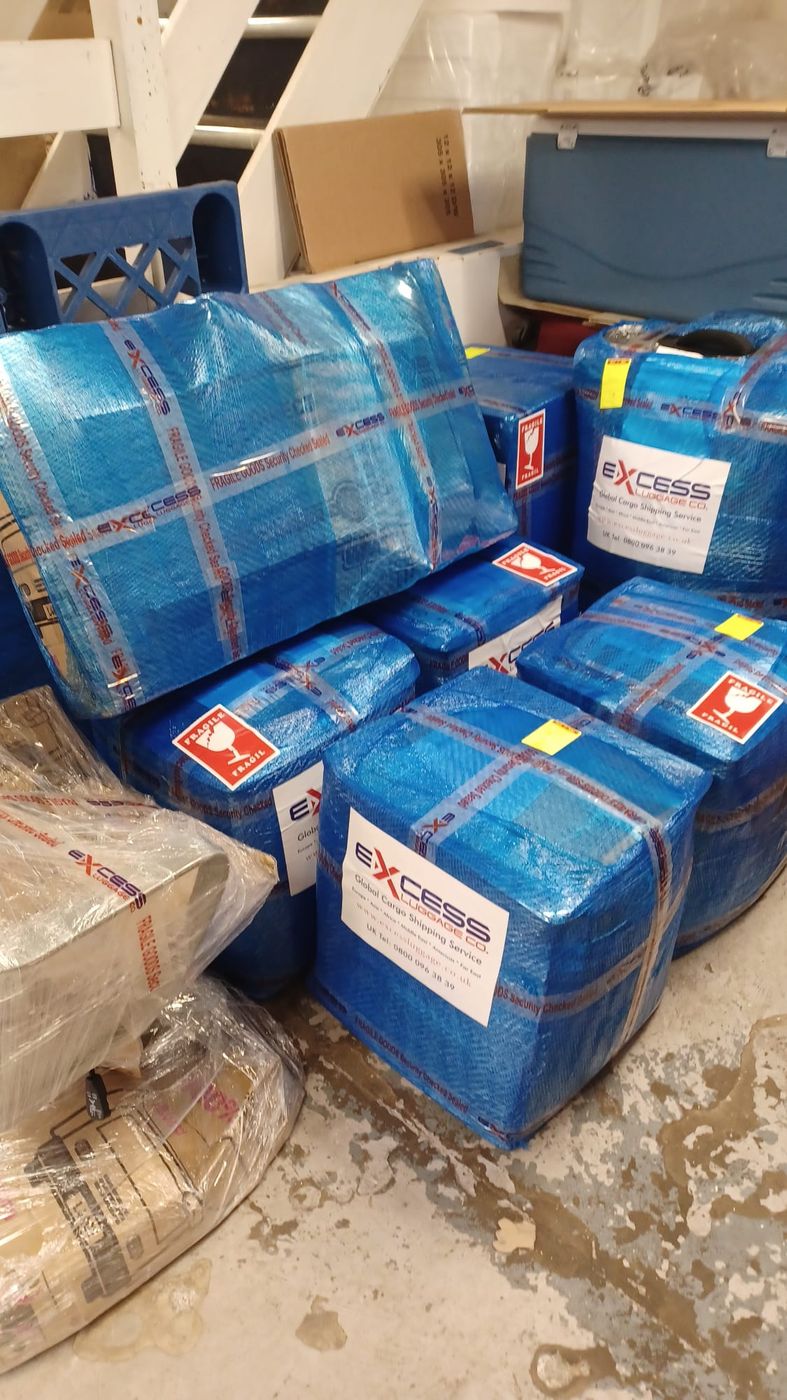
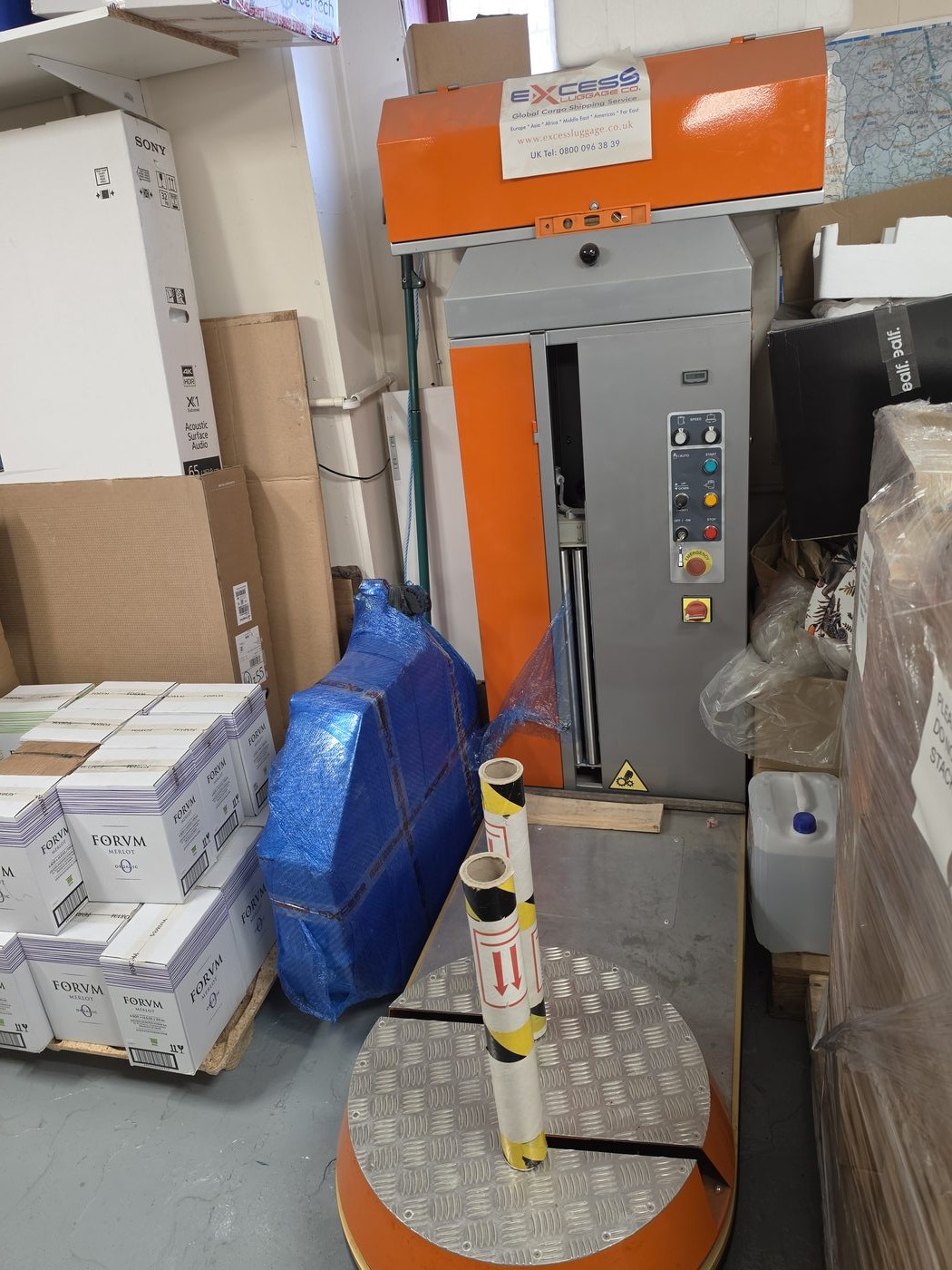
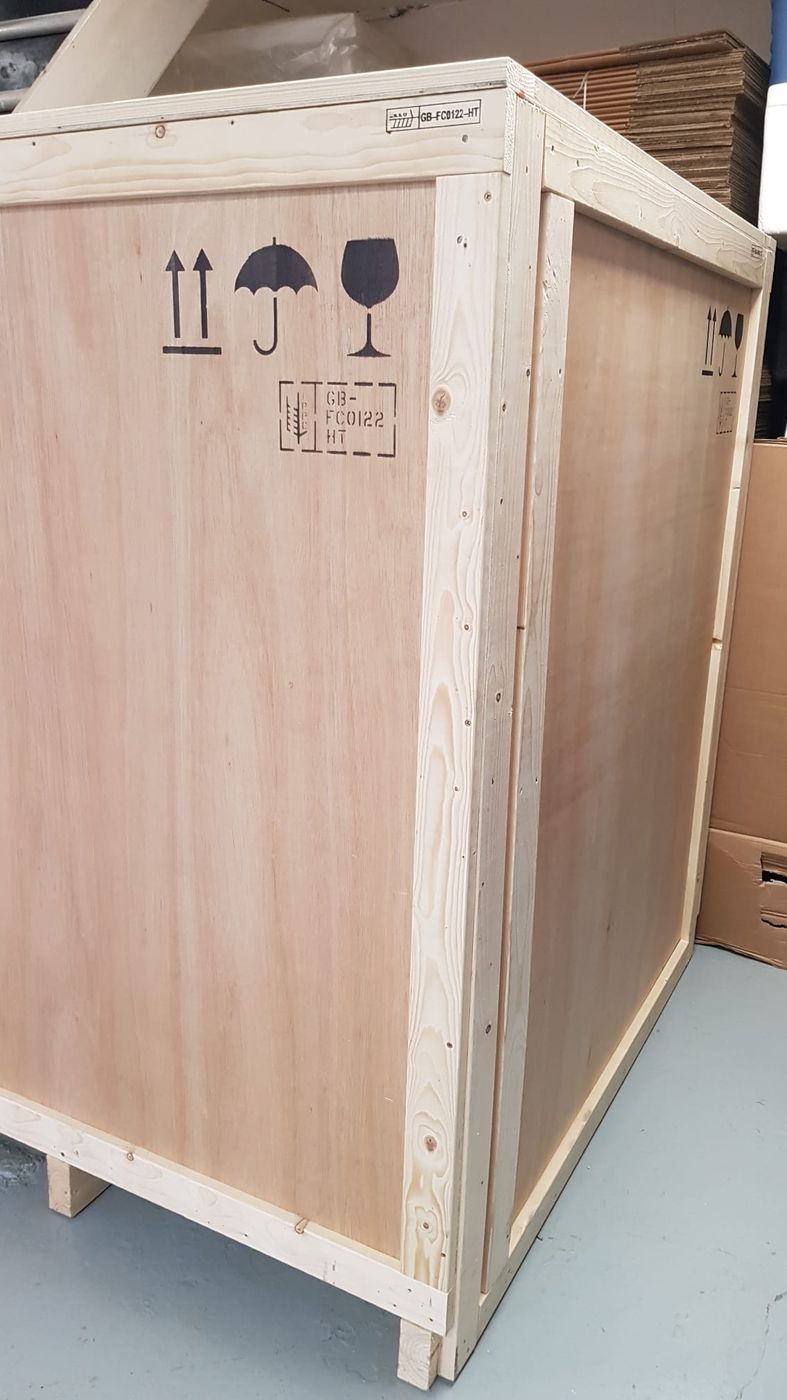
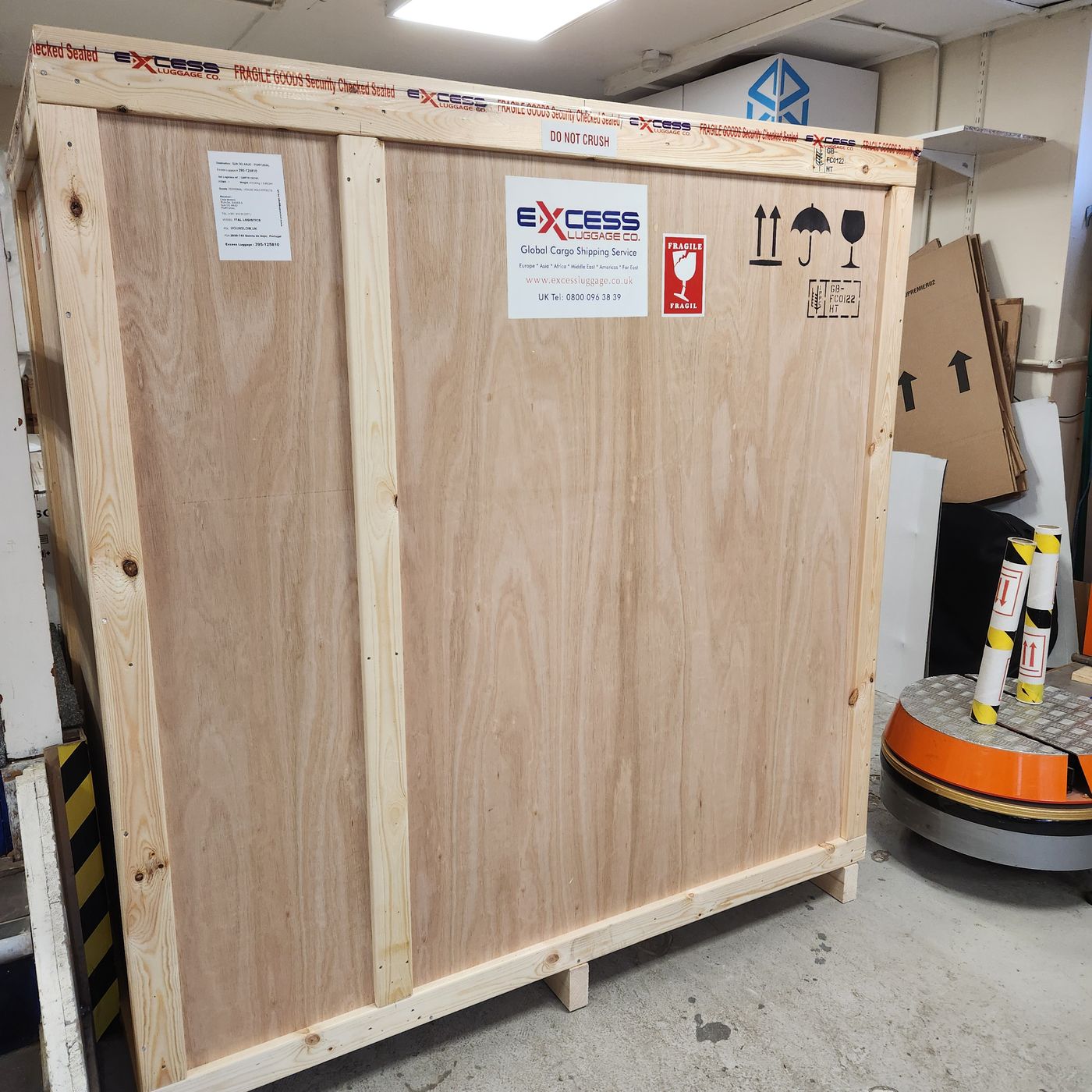
Packing for international freight is different from packing for airline hold. Items go through cargo handlers, forklifts, pallet stacking and temperature variation that airline baggage does not. Here is how to pack your luggage so it arrives intact.
Here is why it is worth it. When your shipment reaches customs at the other end, they may want to see what is inside. With a numbered list, they can simply say “show me item 7” — and you go straight to it and lift that one thing out. No tipping the whole box onto a table, no repacking everything while an officer waits. You look organised, it is obviously honest, and you are done in a minute.
Keep it simple and grouped, and pack roughly in that order:
Tape one copy of the list inside the box and keep a copy for yourself. That inside copy is also your safety net: if the label on the outside ever gets torn off in transit, your name and details are still in there.
This is the bit people get wrong. That shirt you bought for £40 six months ago is now a used shirt. If you tried to sell it, you would get maybe a pound for it — nobody pays £40 for someone’s worn clothes. So on your customs list it is worth about £1, not £40. Its only real value is to you.
That is exactly what “personal effects” means: your own used, owned belongings going with you — not new goods being imported to sell. And it matters at customs, because duty and tax are charged on the value you declare. Put £40 a shirt and you have invited a tax bill on things genuinely worth a fraction of that. Value them honestly as used, and it is clearly what it is: personal effects.
So your list ends up looking like this:
One honest warning: value it realistically, not at zero. “Worn, so a pound or two” is honest. Declaring everything as worthless, or hiding what is really inside, is the fast way to get a box held and opened — the opposite of what you want. Honest and low beats invented and high, every time.
The whole trick is simple: nothing hard should touch anything else hard. Your soft stuff is not just clothes, it is free padding — so use it, and keep the fragile things away from the corners and edges, where the knocks happen. Pack for freight, not for the plane: assume the box will be dropped, stacked under heavier boxes, and moved by people who cannot see what is inside.
Boxes. Use a proper double-wall cardboard box, not a tired supermarket one — the corners take the hits, so the walls need to be rigid. Heavy things go in first, at the bottom and toward the middle, never against the sides. Then fill every gap so nothing shifts when you give it a shake — empty space is what lets a box crush. Tape every seam top and bottom with proper packing tape, and keep each box to a weight one person can lift comfortably: under about 25kg. Make it a back-breaker and it will get dropped.
Suitcases. Hard-shell cases protect best — if you have them, use them. Wrap soft-shell cases, or put them inside an outer box for rigidity, and tape down any wheels, handles or straps that stick out (they are the first things to break). Put heavy items at the wheel end so it stands balanced, cushion everything with soft stuff, and do not overstuff to the point the zips are straining — a burst zip in transit is how things go missing. We can machine-wrap your cases to protect the shell and stop them popping open.
A few things we see go wrong every week: overpacked boxes that bulge and cannot be stacked; loft storage boxes, plastic tubs, canvas bags and bin liners that were never made to fly; and TVs wrapped in a duvet — a screen is a sheet of glass and needs a rigid box or a proper crate. If in doubt, ask us before you pack, not after.
It feels over-the-top for a can of deodorant, but these are the airline’s rules and the law, not ours — and one aerosol tucked in a box is enough to get the whole shipment held or refused. So do a final check before you tape up: no batteries, no sprays, no perfume, no varnish. If you are not sure about something, just ask us before you pack it — a two-minute question that saves a two-week delay. See our prohibited items guide for the full list.
Get a Quote before you start packing. Call us with your destination, number of items and collection date.
This is what proper preparation for international transport looks like.
“I have worked in this industry for more than 40 years, and safety has always been my highest priority. Our responsibility is to protect not only the shipper’s belongings, but also airline staff, carriers, customs authorities, and fellow passengers travelling on the aircraft carrying the shipment.”
Excess Luggage Co. comply with the UK aviation and maritime security act and regulations, we ship all dangerous goods under IATA and IMDG rules, and all our staff are trained in aviation & maritime security for shipping.